True wireless stereo, or TWS, earbuds remove the cable between your phone and each earbud. They are convenient for commuting, workouts, calls and everyday listening, but similar-looking models can differ sharply in comfort, microphone behaviour, noise control and app support. A useful choice begins with your routine.
Quick answer
Prioritise fit and comfort, sound, ANC, call quality, battery expectations, app features and connectivity. Brand and headline battery figures can help narrow a search, but they do not replace checking how the earbuds fit your ears and work with your phone.
What are TWS earbuds?
TWS earbuds are two small Bluetooth earphones that connect wirelessly to a phone, tablet or computer. A charging case stores and recharges them. Most use touch or press controls for playback and calls, but their exact controls, app features and device compatibility vary.
Sound quality: what actually matters?
Sound is personal. Tuning affects whether music feels bass-heavy, neutral or bright, while fit affects bass and isolation. Driver size or configuration alone does not guarantee a preferred sound. If possible, compare trusted current reviews, use an app's equaliser where available, and choose an ear-tip size that seals comfortably.
Codec support can matter with compatible phones, but it is only one part of the result. Recording quality, earbud tuning, fit and the source material matter too. Avoid assuming an advanced codec will automatically make every listener hear a dramatic difference.
What is ANC and do you need it?
Active Noise Cancellation uses microphones and processing to reduce some external noise. It can be valuable on transport, in an office or around steady background sound. It does not remove every noise, and performance differs by model, fit and frequency of the sound around you.
For quiet home listening, good passive isolation from a comfortable tip may matter more than paying extra for ANC. For a regular commute or flight, ANC may be worth prioritising. Do not treat an ANC label as a fixed promise of the same result in every environment.
ANC vs transparency / ambient mode
Transparency or ambient mode uses microphones to bring outside sound in. It can make announcements, traffic awareness or a short conversation easier without removing the earbuds. Its naturalness and wind handling vary. If you will use earbuds outdoors, test or research this mode rather than considering ANC alone.
Microphones and call quality
Call quality depends on microphone placement, software processing, wind, traffic, fit and your phone connection. Earbuds that sound excellent for music may not be the strongest choice for frequent outdoor calls. Look for current model-specific call samples or reviews and keep expectations realistic in noisy conditions.
How much battery life do you actually need?
Think in terms of a listening session and the charging case together. A short commute may need little continuous playback, while a long workday or travel day benefits from a case that can recharge the earbuds between uses. Fast charging can be convenient, but verify the exact product's current documentation.
Why advertised battery figures need context
Published battery figures can depend on ANC being on or off, volume level, codec, call use and other settings. They are useful for comparing stated conditions, but should not be treated as guaranteed real-world results. Your usage can be lower or higher than a quoted figure.
Bluetooth, codecs and connectivity
Bluetooth version is not a complete measure of connection quality. Codec availability, the phone, local wireless congestion and the earbuds' implementation all contribute. Most TWS earbuds pair with Android and iPhone, but an app, a preferred codec or a special feature can be limited by the phone ecosystem.
Before buying, check the exact model's companion-app availability and supported features for your phone. If you use a laptop regularly, also check how comfortably the earbuds switch and whether calls behave as expected.
Why multipoint connection is useful
Multipoint allows compatible earbuds to maintain a connection with more than one device, often useful for a laptop and phone. It can reduce the friction of stopping music on a computer to answer a phone call. Implementations vary, so confirm whether the feature is available and how it behaves with your devices.
Fit and comfort matter more than many buyers expect
A secure, comfortable fit affects sound, ANC, calls and whether you will use the earbuds for long sessions. Silicone tips in multiple sizes can help form a seal, but a tip that is too tight can cause discomfort. Stem and non-stem designs are personal preferences; neither is automatically more comfortable.
Weight and shape matter during long listening sessions. If comfort is a concern, check dimensions, tip options and return terms before ordering. A slightly less feature-rich earbud that fits well can be the better everyday choice.
IP ratings and workout use
An IP rating describes tested resistance to dust and/or water under stated conditions; it is not a universal promise of waterproof use. Sweat resistance can be useful for exercise, but it does not automatically make earbuds suitable for swimming, showers or heavy rain. Confirm the exact rating and care instructions for the model.
Gaming and low-latency modes
Bluetooth audio can have delay relative to video or games. Some earbuds offer a low-latency mode, but results depend on the phone, game, codec and connection. Treat it as a feature to investigate for your own games rather than a guarantee of a particular response time.
App support, EQ and customisation
A companion app can be useful for EQ, control remapping, firmware updates, finding earbuds and managing ANC or transparency modes. The quality and availability of these features varies. App support is especially valuable when you want to tune sound or keep control behaviour consistent across devices.
Touch controls, finding earbuds and spatial audio
Controls are easy to overlook until an earbud is used daily. Check whether the model uses taps, presses or a mix of both, and whether the app lets you change the assignments. Controls that are simple while walking, wearing gloves or working out may matter more than a long feature list. Also check whether a single earbud can be used independently if that is important to you.
Some brands include a find-my-earbuds feature through their app. It can help locate a nearby misplaced earbud or case, but its exact limits depend on the phone, app and whether the item has power and a connection. Treat it as a convenience feature rather than a replacement for keeping the case secure.
Spatial-audio features can create a wider or more positional presentation with compatible content and devices. They are optional, and their availability can differ between Android and iPhone or between apps. If this is a priority, verify the exact feature, phone support and content service before paying extra.
Common mistakes when buying TWS earbuds
- Choosing only by an advertised battery total.
- Ignoring fit, ear-tip sizes and long-session comfort.
- Assuming ANC makes every environment quiet.
- Buying for calls without checking call-focused information.
- Assuming every Bluetooth feature works the same on Android, iPhone and laptops.
- Treating an IP rating as permission for any water exposure.
TWS buying checklist
- Set a budget for the features you will use.
- Prioritise fit and comfort before headline specifications.
- Decide whether ANC and transparency matter for your routine.
- Check microphone needs for indoor, outdoor or work calls.
- Match app and codec support to your phone ecosystem.
- Compare battery figures with ANC, volume and call-use conditions in mind.
- Check multipoint, IP rating and control options if they matter.
- Verify warranty, seller and return terms for the exact model.
Which type of TWS earbuds should you choose?
Casual listener
Choose a comfortable model with sound you enjoy and reliable everyday controls. You may not need premium ANC or advanced codecs.
Commuting user
Prioritise a stable fit, useful ANC and transparency mode, then compare case size and battery expectations.
Frequent caller
Prioritise microphone performance in the places where you actually call, especially outdoors or in an office.
Workout user
Look for a secure fit and an appropriate documented IP rating. Follow the maker's care guidance after sweat exposure.
Android user
Check app support, feature availability and any codec compatibility for your exact phone.
iPhone user
Confirm the app experience and controls on iPhone; basic Bluetooth pairing is not the same as every optional feature.
Frequent traveller
Prioritise comfort, ANC suited to your environment and a charging case that fits your day.
User wanting premium ANC/features
Pay more only when the added ANC, app controls, calls, connectivity or comfort meaningfully fit your routine.
Examples to compare on Amazon
As an Amazon Associate I earn from qualifying purchases.
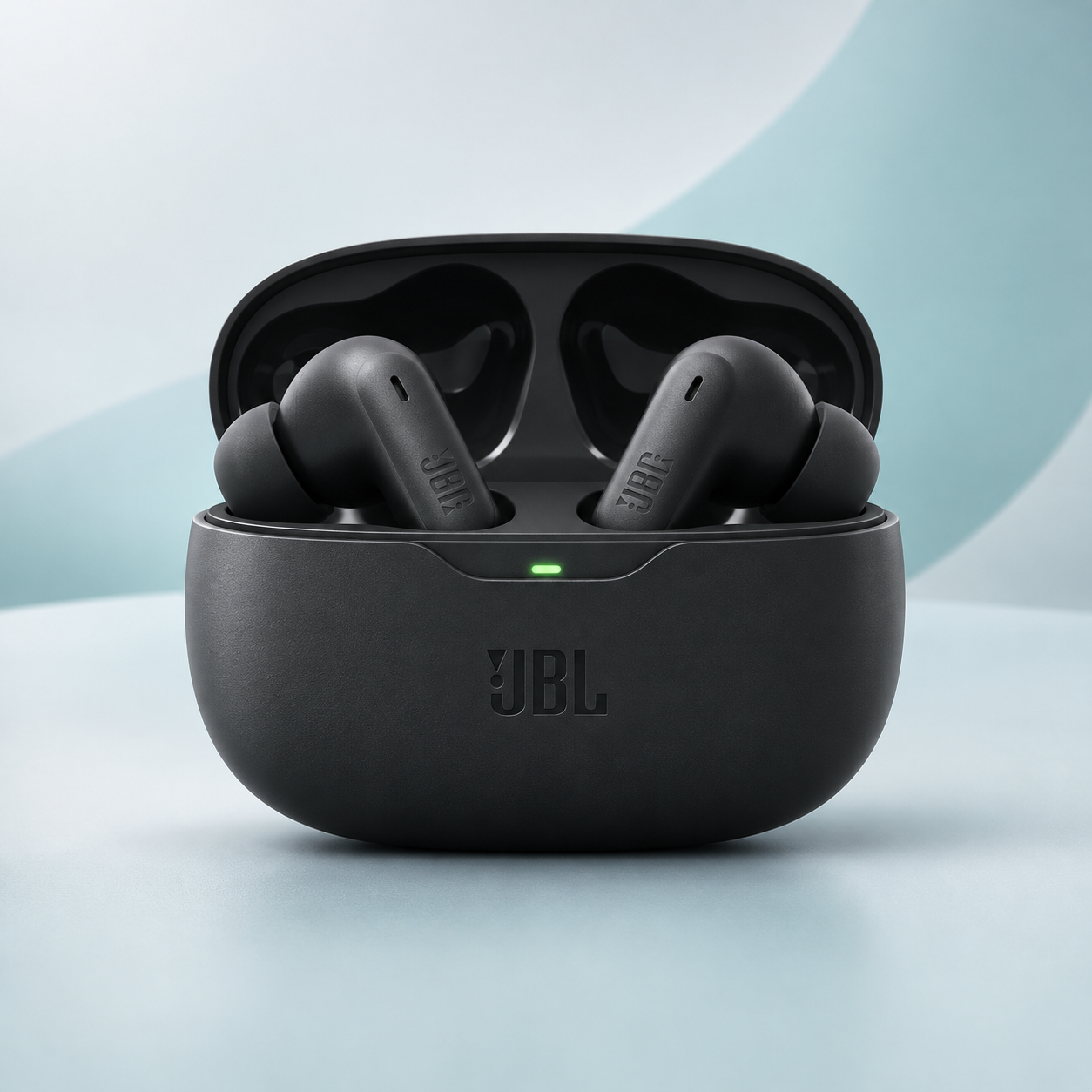
JBL Vibe Beam 2
A useful example to compare if you want everyday TWS earbuds with ANC and practical daily-use features without moving into the premium tier.
Check JBL Vibe Beam 2 on Amazon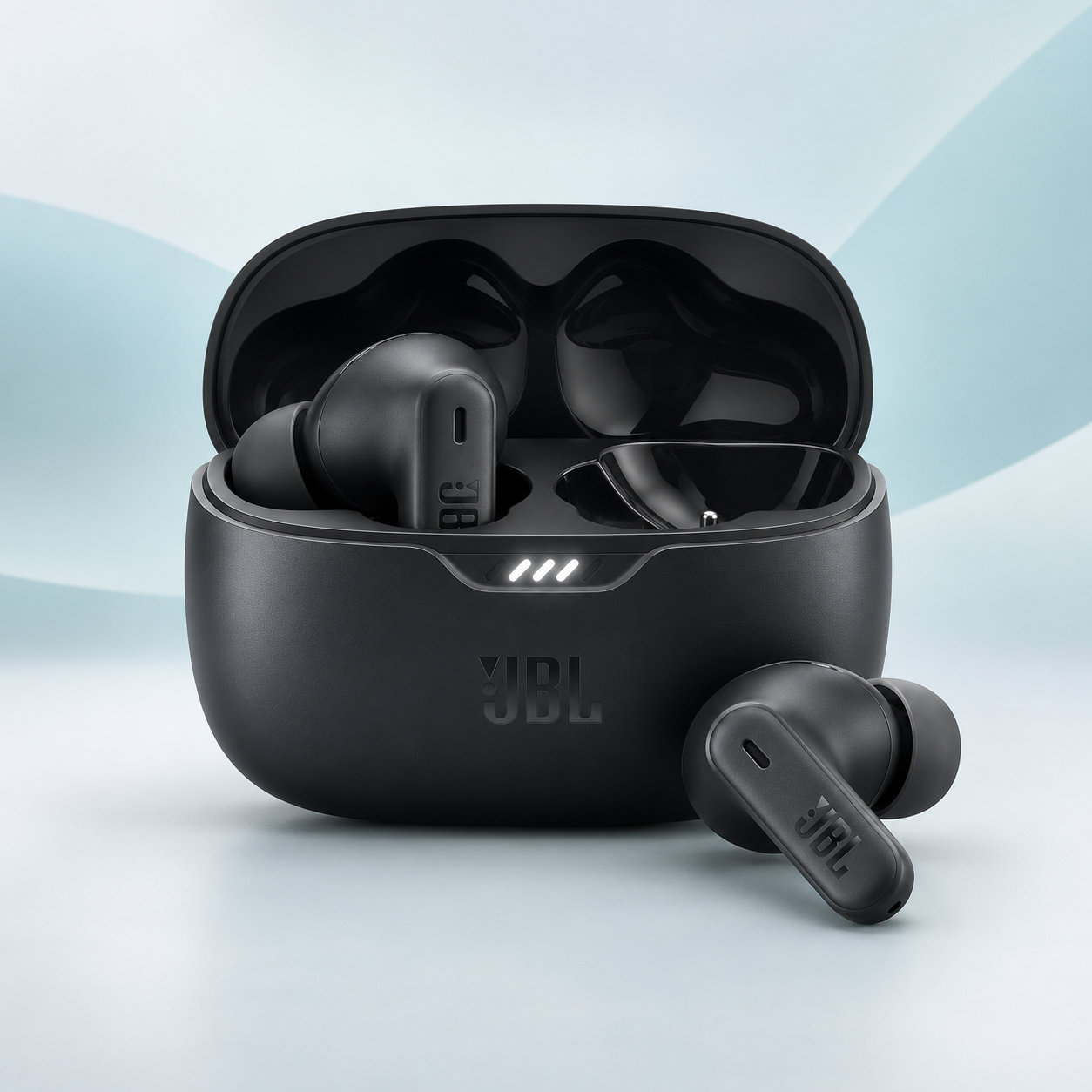
JBL Tune Beam 2
A useful example to compare if you want a broader feature set including ANC, app-based sound customisation and multi-device convenience.
Check JBL Tune Beam 2 on Amazon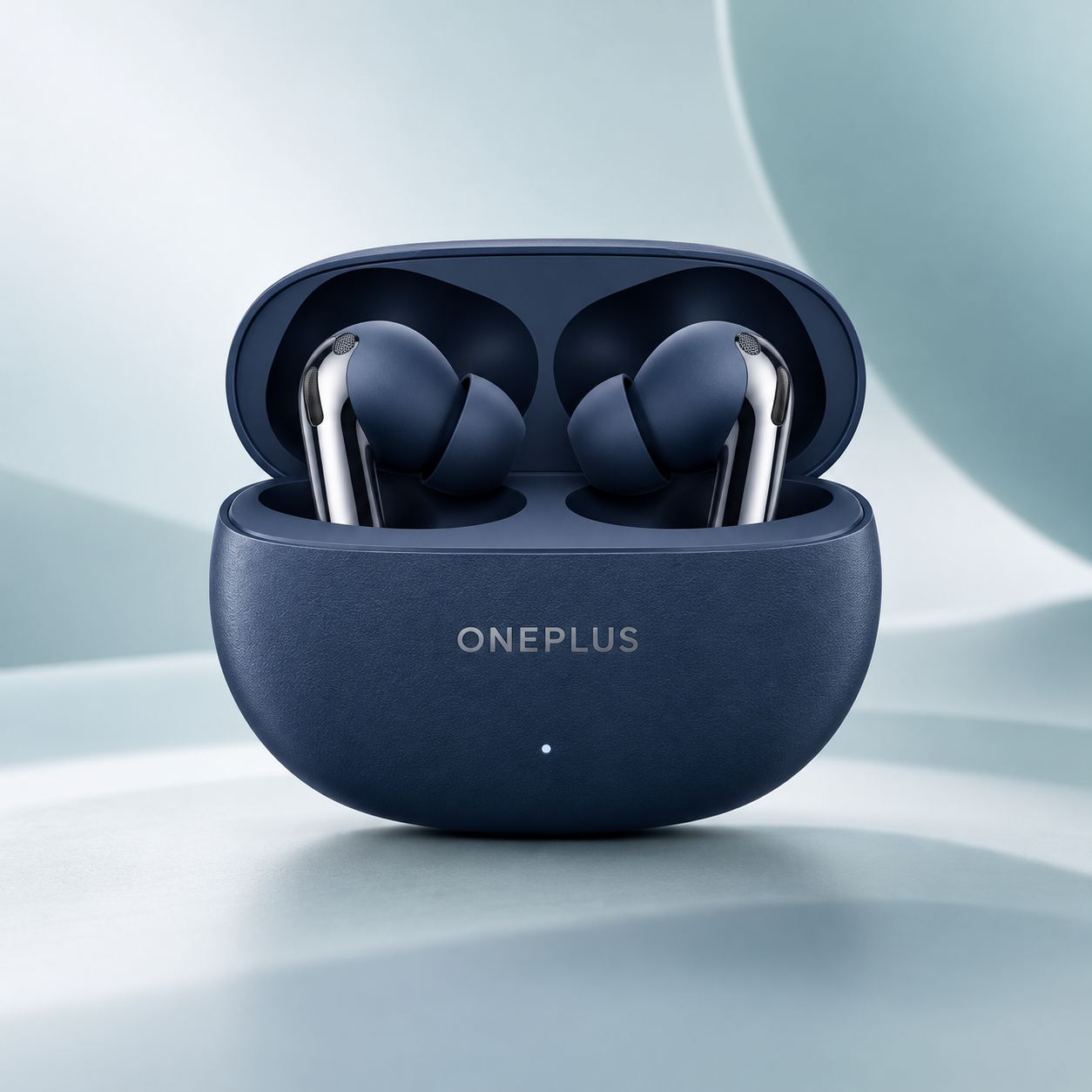
OnePlus Buds Pro 3
A useful premium example to compare if you want stronger ANC-focused features, more advanced sound customisation and a higher-end overall feature set.
Check OnePlus Buds Pro 3 on AmazonAndroid and iPhone compatibility
Basic Bluetooth pairing works across both platforms for most TWS earbuds, but optional features can vary. Android users may have access to different codecs or fast-pairing behaviour, while iPhone users should check the app, control customisation and firmware-update process on iOS. The better choice is the one whose documented features work well with the phone you already use.
If you change phones often, prioritise reliable standard Bluetooth behaviour and an app available on both platforms. This is also a useful question for households where earbuds may be shared with more than one type of device.
Frequently asked questions
Are expensive TWS earbuds always better?
No. Higher-priced earbuds may add features or refinements, but fit, call needs, device compatibility and the features you will actually use matter more than price alone.
Is ANC useful for everyday use?
ANC can be useful in steady background noise such as commuting, travel or an office. Its value depends on where you listen and how well the earbuds fit.
How important is multipoint Bluetooth?
Multipoint is useful if you regularly move between two devices, such as a laptop and phone. Check that the exact earbuds support it and how the feature works with your devices.
Are TWS earbuds good for calls?
They can be suitable for calls, but microphone performance varies with the earbuds, fit, background noise and phone connection. Check current reviews and official documentation for the exact model.
What IP rating should I look for?
Choose an IP rating according to your intended use and verify what the rating covers. Sweat resistance for workouts is different from protection against immersion or use in heavy rain.
Does Bluetooth version affect sound quality?
Bluetooth version alone does not determine sound quality. Codec support, device compatibility, tuning, fit and the connection environment all matter.
Can TWS earbuds work with both Android and iPhone?
Most TWS earbuds can pair with Android and iPhone through Bluetooth, but available codecs, app features and ecosystem conveniences can differ. Check compatibility for the exact model.
Browse technology guides · Browse all buying guides · Everyday Helper home